The Rich History and Culture of Mahjong
Mahjong, a game of skill, strategy, and calculation, has been a staple in Asian culture for centuries. Originating in China during the Qing dynasty, Mahjong has evolved into a beloved pastime enjoyed by millions worldwide. Its intricate tapestry of tiles and challenging gameplay weave together a fascinating story that continues to captivate players of all ages and backgrounds.
Origins of Mahjong
The origins of Mahjong can be traced back to the mid-1800s in China. Although its exact beginnings are shrouded in mystery, historical accounts suggest it started as a popular pastime among the Chinese nobility. Over time, Mahjong spread throughout China, morphing into various regional versions that reflected local customs and preferences.
Traditional Gameplay
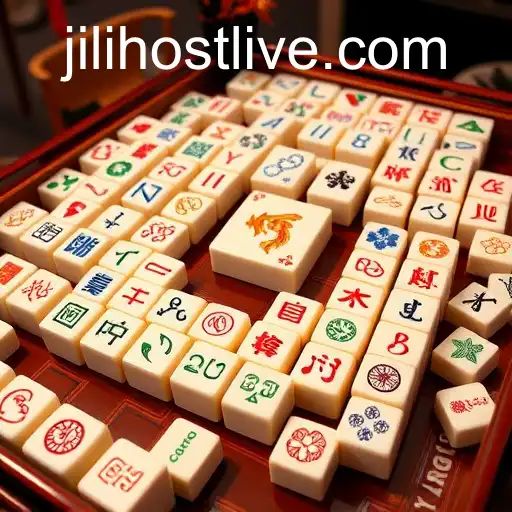
Classic Mahjong sets consist of 144 tiles featuring Chinese characters and symbols. Players typically require a table and four players to engage in the full Mahjong experience. The objective is to be the first to assemble a winning hand comprising sets and pairs from the drawn and discarded tiles.
Gameplay begins by shuffling the tiles face-down and building a square wall. Each player draws thirteen tiles, and the game progresses with players drawing from the wall or discarding unwanted tiles to achieve a winning hand. The complex rules and the strategic element of keeping a close eye on opponents' moves make Mahjong both challenging and exciting.
The Global Rise of Mahjong
With the waves of Chinese immigration worldwide, Mahjong ventured beyond its homeland to new shores. It found a significant stride in the United States during the early 20th century. By the 1920s, Mahjong had become a roaring craze, fueled by the release of English-language rulebooks simplifying the game for Western audiences. Mahjong parlors and clubs flourished, becoming social hubs where people congregated to play and bond over shared strategies.
Adaptations and Variations
Along with its global rise, Mahjong saw numerous adaptations and variations reflecting the cultural nuances of those who embraced the game. Japanese Mahjong (Riichi) and Western Mahjong are notable examples, each with distinct rules enhancing the traditional Chinese gameplay. The adaptations often include additional tiles, scoring systems, and sometimes even different winning hands, all contributing to the diversity and richness of Mahjong's vibrant history.
The Digital Revolution and Mahjong
In the era of digital transformation, Mahjong has gracefully transitioned into the online realm. It has become highly accessible, drawing in audiences who might not have encountered the game in its traditional form. Online platforms offer various Mahjong adaptations and styles, where players from across the globe can play in real-time against one another. The digital adaptation of Mahjong cultivates camaraderie among enthusiasts, bridging language and geographical barriers.
The Role of Platforms Like JILIhost
Platforms like JILIhost play a pivotal role in contemporary Mahjong's journey. They provide a robust digital environment where users can connect, compete, and share tactics across vast Mahjong communities. By leveraging the power of technology, platforms such as JILIhost ensure Mahjong's legacy continues to flourish, connecting generations of enthusiasts and creating new opportunities for engagement and leisure.
The Cultural Significance of Mahjong
Beyond its engaging gameplay, Mahjong plays an integral role in cultural practices and traditions. In many Asian communities, Mahjong is more than a game; it is woven into social fabrics, marking special occasions such as Chinese New Year celebrations, where families gather to play and renew bonds. The tiles themselves hold symbolic meanings and associations with fortune, prosperity, and social status, often influencing rituals and folklore.
Mahjong in Modern Culture
Mahjong's influence extends into various cultural arenas, including literature, film, and media. It is frequently portrayed in movies and television serials, its scenes synonymous with strategic plotting or portraying cultural authenticity. Additionally, Mahjong tournaments worldwide attract player allegiances, elevating the game into competitive sports deserving of strategic genius and mental prowess.
Embracing Mahjong in Contemporary Society
As we march deeper into the 21st century, Mahjong continues to be a pertinent cultural and social phenomenon. Although its roots are firmly planted in traditional customs, Mahjong’s adaptability has allowed it to flourish in modern-day gaming cultures and societies. This enduring legacy is a testament to its timeless appeal, reflecting the harmonious blend of whimsical entertainment and intellectual challenge. Mahjong's crossover into the digital world and platforms like JILIhost underscores its perpetual relevance and potential for continued evolution.